Showing posts with label steinskvett. Show all posts

Saturday, April 13, 2024

Øygarden 09.04-12.04.2024 - Spring

Home but not out birding at all.

A trip to the shops to fill up my empty fridge after I returned on 09 April produced a Jackdaw kaie / Rook kornkråke combo at Dåvøy as the best sighting.

Jackdaw kaie

Rook kornkråke


White Wagtail linerle, Dunnock jernspurv and the usual White-tailed Eagles havørn were seen from the terrace.

On Wednesday 10.04 more White Wags linerle here and there and a Guillemot lomvi on the sea in front of my house were all that I managed.

Twenty minutes sitting in the sun at Hatten the following day was very nice with a pair of Siskin grønnsisik, several Brambling bjørefink, a couple of Great-spotted Woodpecker flaggspett and the usual suspects.

Brambling bjørkefink


Female Great-spotted Woodpecker flaggspett

Siskin grønnsisik

Mergansers siland on the sea in front of my house


On Friday I heard my first singing Chiff-chaff gransanger of the year from my terrace, Gannet havsule and a bridled Guillemot ringvi were also seen here.


Female Pied Wagtail svartryggerle

Gannet havsule from the terrace

Bridled Guillemot ringvi from the terrace

Redshank rødstilk at Husvatnet, Tjeldstø

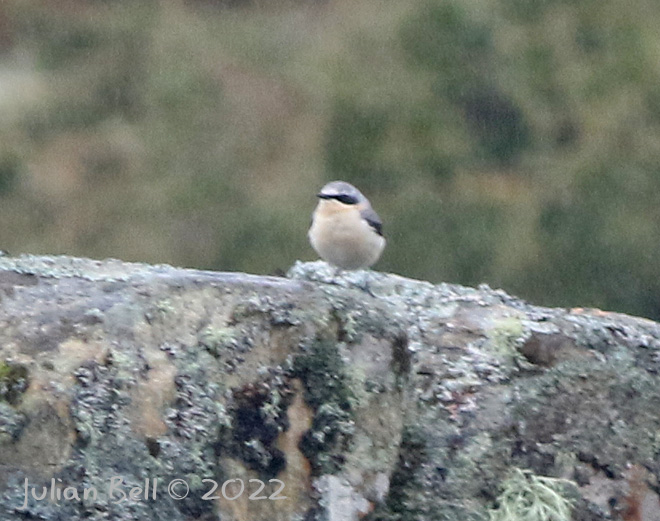
Male Wheatear steinskvett at Breivik

Other stuff included the first Redshank rødstilk of the year at Husvatnet, a smart male Wheatear steinskvett at Breivik, a female Pied Wagtail svartryggerle at Tjeldstø and a (the?) Carrion Crow svartkråke at Oen.


Sunday, March 27, 2022

Skogsøy 27 March 2022 - Typical early spring seawatch

Overcast with light NW winds

I was up well before dawn and headed out to Skogsøy. On the way there a brief stop gave two roding Woodcock rugde and A LOT of birdsong:)

The walk out to the lookout point showed that there has been an arrival of birds since I was last there with a lot of Redwing rødvingetrost song for the first time this year.

Almost three hours seawatching showed that it was rather quieter than yesterday but still enough going on to keep interest levels up:


Northern Gannet havsule N 6, S 2
Great Cormorant storskarv N 8, S 2
Eurasian Shag toppskarv N 16, S 5
Greylag Goose grågås N 2
Eider ærfugl N 3
Long tailed duck havelle N 2
Common Scoter svartand N 1
Merganser siland N 3
Oystercatcher tjeld N 94
Eurasian Curlew storspove N 19
Common Gull fiskemåke N 366
Lesser black backed Gull sildemåke N 2
Herring Gull gråmåke N 10
Black-legged Kittiwake krykkje N 3
Common Guillemot lomvi N 6
Razorbill alke N 1, S 1
Black Guillemot teist N 1


4cy White-tailed Eagle havørn

Gannet havsule

One of the Oystercatcher tjeld flocks heading north today

Part of a Curlew storspove flock

Rock Pipit skjærpiplerke


A few White-tailed Eagles havørn about but just one adult. Rock Pipits skjærpiplerke, Ravens ravn and the usual breeding species were also in attendance.

The only bird of note on the way home was the first Dunnock jernspurv of the year at  Hjelme.

A Stock Dove skogdue was reported from Breivik later in the day and whilst looking for it the first Wheatear steinskvett turned up - and was singing despite the light drizzle that had set in. The Stock Dove was typically flighty and came past having been spooked by someone feeding their sheep.

The first Wheatear steinskvett of the year - normally this bird would have got a bit more attention but I was looking for the next bird:)

Stock Dove skogdue - the second in Øygarden this year but the first one seen alive:)


Friday, August 31, 2018

Herdlevær 28 August 2018 - Flightless Golden Plover dejavu

A quick walk around Herdlevær before work.

Today I think I solved a mystery. Some time ago I found a Golden Plover heilo at Herdlevær with a wing missing (see here). I had assumed that the missing wing was due to a raptor / predator. Today I found another Golden Plover heilo with a severely damaged wing in almost exactly the same place.


Golden Plover heilo with damaged wing


I now realise that low flying birds coming over at speed are likely to collide with narrow fence posts that look like rebar and are almost invisible from certain angles are much more likely to be the cause of these injuries. With two birds found in the same place with almost identical injuries this must be the case. These posts should either be removed (there has been no fence there for years) or made more visible.

Part of a migrating flock of Cormorants storskarv


Knot polarsnipe with a few Ringed Plover sandlo - Knot flying upside down

Wheatear steinskvett

A few flocks of Golden Plover heilo headed south as did a flock of 15 Knot polarsnipe along with some unidentified smaller waders.

Otherwise it was just the usual with 30 Gannets havsule feeding offshore and a selection of the usual migrants including Wheatear steinskvett and a few Brambling bjørkefink.

A Peregrine vandrefalk took a racing pigeon over the road at Nautnes where I also had White-tailed Eagle havørn and Sparrowhawk spurvehauk.

Monday, July 09, 2018

Øygarden 01-07 July 2018 - Ups, downs and autumn migration

The trend of not birding continues almost unabated. I have not yet given up properly.

I managed to take a 10 minute detour to the shops on 03.07, half an hour in the nature reserve at Tjeldstø on 04.07 and spent a whopping two hours seawatching at Skogsøy on 07.07.

One seriously bad piece of news was that yet another of the good overwintering sites for species like Water Rail vannrikse, Jack Snipe kvartbekkasin and similar has been destroyed - the second such site in as many years. This insidious destruction of small "unimportant" sites probably plays a massive role in the decline of many such species. Once gone these site will never ever save the lives of struggling birds in the depth of winter. I am considering start laying land mines in such areas, this is at least an acceptable activity in large parts of the world....

Quite a bit of age variation among the Common Tern makrellterne chicks....


Common Terns makrellterne feeding young


On the up side the terns - at least Common Terns makrellterne are doing well with breeding pairs at a number of locations. Other species that have managed to get young on the way include Lapwings vipe, Oystercatcher tjeld and quite a lot of Common Gull fiskemåke. Wheatear steinskvett, Meadow Pipits heipiplerke and many other species have fledged young now.

Curlew storspove


Meadow Pipit heipiplerke


Young Wheatear steinskvett

Seawatching at Skogsøy produced the usual summer suspects - Great Skua storjo, Gannet havsule and Common Scoter svartand in addition to some autumn migration - a flock of Whimbrel småspove.


As usual there is more age variation among the Gannets havsule during the summer

The most (and arguably best) picture here - a Great Skua storjo. Massively cropped.

Migrating Whimbrel småspove at Skogsøy


Greenshank gluttsnipe outside my house in the first two days of the month were another sign of autumn.


Saturday, April 07, 2018

Øygarden 07 April 2018 - Spring boost

Light southerly winds, overcast at first but sunny later.

A quick look at a few localities to see what was going on today. Short walks at Herdlevær, Breivik and Tjeldstø produced several new for the year.


A couple of White Wagtail linerle and a Snipe enkeltbekkasin

Part of a flock of Starling stær at Breivik


I opened at Herdlevær which was relatively quiet. Breivik proved to be rather better with a Pied Wagtail svartryggerle along with a few White Wagtail linerle, several Meadow Pipit heipiplerke, a Snipe enkeltbekkasin, a flock of at least 170 Starling stær and an assortment of the usual thrushes.


Skylarks sanglerke at Tjeldstø


Tjeldstø was rather better with highlights being a flyover Grey Wagtail vintererle, a Mistle Thrush duetrost, a Snow Bunting snøspurv, four Whetear steinskvett, a Lesser Black-backed Gull sildemåke, a few Teal krikkand, a flock of three Tufted Duck toppand, a White Wagtail linerle, a Brambling bjørkefink, five Skylark sanglerke and at least seven Meadow Pipit heipiplerke. White-tailed Eagle havørn and most of the usual suspects also noted here alongside several each of displaying Curlew storspove and Lapwing vipe.

Curlew storspove - many more have arrived whilst I have been away. This one was at Dåvøy - the others were displaying at various localities

A pair of Ringed Plover sandlo are back on one of their regular breeding sites whilst at Nautnes a Goldcrest fuglekonge was the first of the year in the garden as was a Lesser Black-backed Gull sildemåke along with the more usual White-tailed Eagle havørn.

Monday, June 27, 2016

Øygarden 26-27 June - Business as usual

Light showers, light winds.

Common Tern makrellterne at Nautnes


Anxious Redshank rødstilk at Tjeldstø

Young Wheatear steinskvett at Tjeldstø

A walk at Tjeldstø on 26 June produced just the usual suspects - including Wheatear steinskvett with young, Raven ravn with young and many other species also with fledged youngsters,

A stroll at Herdlevær on 27 June was very much the same although a pair of Redshank rødstilk that obviously have young (along with at least three other species of wader) have obviously managed to keep their breeding attempt secret until now. A Greenshank gluttsnipe was the only migrant. Twite bergirisk also feeding newly fledged young here.

At Nautnes the Oystercatcher tjeld pair outside my house suddenly showed up with at least three young today. Woodcock rugde still roding in the evenings.